
Sump Pump 911!
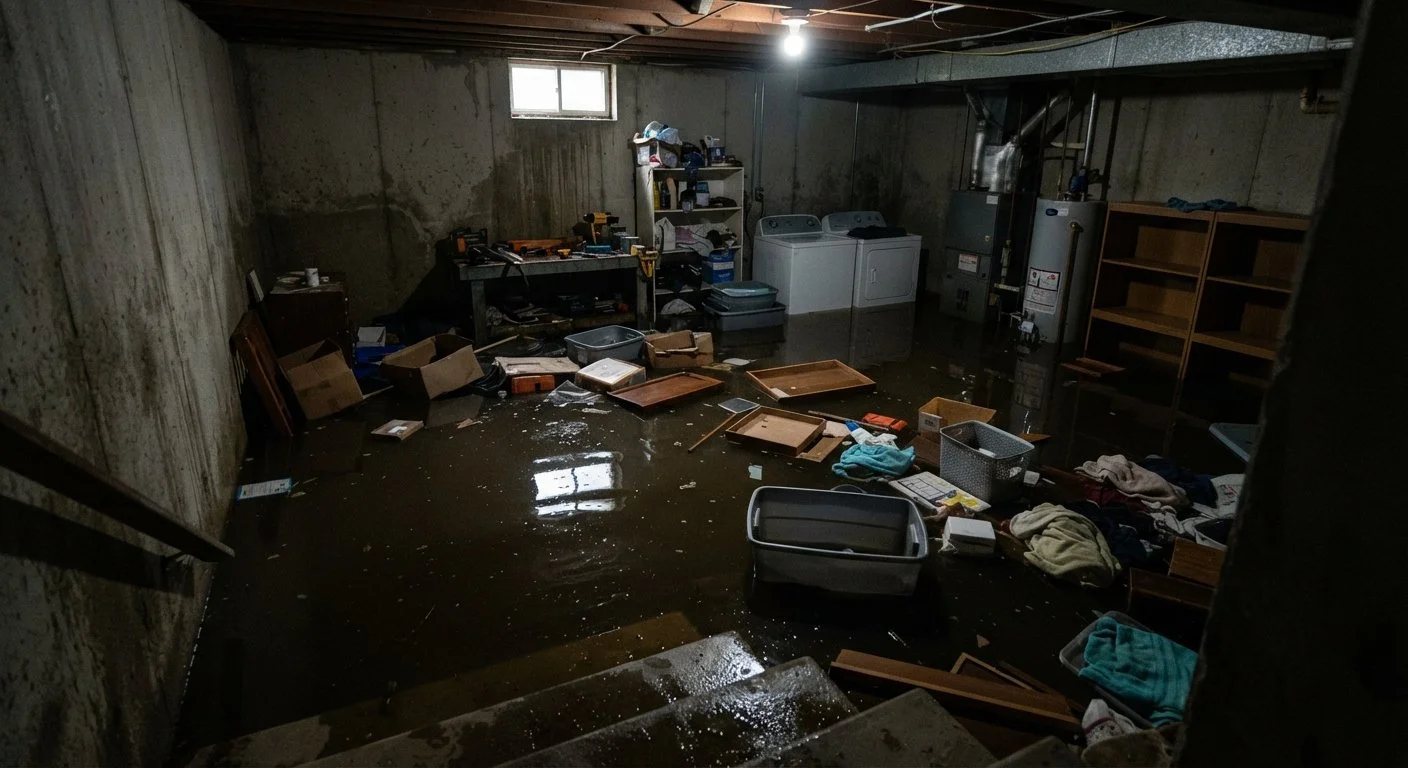
Sump Pump Problems?
How to Stop Flooding in Your Basement or Garage
A sump pump usually fails because of no power, a stuck or failed float switch, debris clogging the intake, or a system that can’t keep up with heavy inflow. Check power and the float switch first, then clear any clogs. These steps resolve most emergencies we see in Napa Valley homes and garages.
We get many after-hours calls from people whose basements or garages are flooding because the sump pump isn’t working. Below is the same practical advice we give on the phone and the steps our technicians follow when they arrive.
Updated October 2026 by Oakville Pump Service (family-owned, serving Napa Valley for over 35 years).
Quick Emergency Checklist
If water is rising right now, work through these in order:
Check for power. Is the outlet live? Has the breaker or GFCI tripped? Power outages during storms are one of the most common causes.
Test the float switch. Gently move or lift it. If the pump starts, the float was stuck.
Look for debris. Leaves, dirt, paper, or plastic can clog the intake.
Confirm the pump is actually moving water. A running pump that isn’t lowering the water level could be clogged, have a blocked discharge, or is undersized for the inflow.
Use temporary equipment if needed. A capable portable sump pump, heavy-duty extension cord, and discharge hose can get water down while you sort out the permanent system.
If you’re not comfortable working around electricity and water, stop and call a professional.
Why Is My Sump Pump Not Working and Causing Flooding?
In our experience responding to Napa Valley flooding calls, the problem almost always falls into one of four categories:
No power — Outage, tripped breaker, or tripped GFCI.
Float switch issue — Stuck, tangled, or failed.
Clog or restricted flow — Debris in the pump or a blocked/undersized discharge.
Capacity problem — The pump and discharge can’t handle the volume of water coming in.
Failed Pump - Time for a new pump.
How Do I Check Power First?
No electricity means no pumping. Start here:
Confirm the pump is plugged in firmly.
Reset any GFCI outlet.
Check the breaker panel for a tripped circuit.
If the whole house is dark, the power is out.
Try plugging something that you know works into the same power outlet as the pump.
Temporary solutions while power is out:
Run a generator to power the house or the sump pump circuit (follow generator safety rules and keep connections dry).
Use a gas-powered trash pump or a battery-backup sump pump if you have one.
Our technicians often carry a portable 120-volt sump pump, heavy-duty extension cords, and a generator so they can start removing water within minutes even during an outage.
What Should I Do If the Float Switch Is Stuck?
The float switch is what tells the pump when to turn on and off. It is one of the most common failure points.
Gently move or lift the float with a broom handle or by hand (power off first if you’re reaching into the pit).
Make sure it has clear space to rise and fall and isn’t tangled in the cord or resting against the pit wall.
If you have a piggyback-style float switch (the pump plugs into the float plug, which then plugs into the wall), you can temporarily unplug the pump from the float and plug it directly into the outlet. This puts the pump in manual mode so it runs continuously. You must watch the water level and turn it off before it sucks air.
Once the water is down, fix or replace the float switch. A separate (piggyback) float is often easier to service than one built into the pump.
What If the Pump Runs but Water Keeps Rising?
If the motor is running but the water level isn’t dropping, the problem is usually one of these:
Clogged intake. Unplug the pump, pull it out, and clear leaves, dirt, paper, or plastic from the intake screen.
Blocked or undersized discharge. Check that water is actually coming out at the exterior end of the discharge line. A garden hose or overly long/small-diameter line severely reduces flow. Elevation also matters — the higher the pump has to lift the water, the lower the flow rate.
Insufficient capacity. Heavy rains or a high water table can overwhelm a smaller pump. You may need a larger pump and properly sized discharge line.
A pump rated around 70 GPM with roughly 23 feet of maximum lift handles most residential sump applications, but real-world flow drops as lift increases. Cheap, undersized equipment often fails exactly when you need it most.
What Equipment Do I Need for an Emergency?
A capable sump pump (not the cheapest option).
A compact discharge hose that stores easily but deploys fast.
A heavy-duty extension cord (#12 wire minimum, preferably #10) kept somewhere accessible — not buried under stuff in the flooding area.
Power and cord notes:
Most residential sump pumps draw roughly 1/3 to 1/2 horsepower (about 300–500 watts). Use a heavy-duty cord rated for the load. Larger wire is a smaller number (#12 is bigger than #14). Keep all connections out of the water.
Avoid the cheapest pump, hose, and cord. Cutting corners here frequently leads to a basement that stays flooded and costs more in the long run.
Prevention Tips for Napa Homes
A little work in the fall prevents most of these emergencies:
Clear leaves and debris from the sump pit and surrounding area.
Test the system by filling the pit with a garden hose and confirming the pump turns on and empties it.
Keep a backup pump, float switch, and heavy-duty cord accessible.
Consider a battery-backup sump pump if storms regularly knock out power.
Make sure the discharge line is clear and directs water well away from the foundation.
Frequently Asked Questions
How do I know if my sump pump has power?
Check that it is plugged in, reset any GFCI, and look for a tripped breaker. If the house has no power, the pump won’t run.
Can I run my sump pump without the float switch?
Temporarily, yes — by plugging it directly into a live outlet. You must monitor the water level closely and shut it off before it runs dry.
Why does my sump pump run but not lower the water?
Most often the intake is clogged, the discharge line is blocked or too small, or the pump is undersized for the amount of water coming in.
What size extension cord should I use for a sump pump?
Use #12 wire minimum, preferably #10, for a typical 1/3–1/2 HP residential pump. Keep connections dry.
When should I call a professional?
Call if you’re not comfortable working around electricity and water, if the pump still won’t run after basic checks, if water is rising quickly, or if you need a permanent repair or larger system.
Oakville Pump Service helps Napa Valley homeowners and businesses keep their basements and garages dry. If our crew can help, call (707) 944-2471 or contact us today.